
If You Still Have to Manage It, It Isn’t Healed
Most people think healing means becoming calmer.
More patient.
More aware.
Better regulated.
That’s not healing.
That’s management.
Real healing doesn’t feel like effort.
It doesn’t require reminders, breathing techniques, or talking yourself down.
It feels like the reaction never happens.
The lie we’ve been sold about healing
We’ve been taught that growth looks like this:
You notice the trigger.
You pause.
You breathe.
You choose a better response.
And yes — that can look impressive.
But here’s the truth most people never hear:
If you still have to do something to stop the reaction,
the pattern is still running.
You’re just supervising it.
What real healing actually looks like
When the underlying emotional pattern is resolved:
You don’t override yourself
You don’t manage impulses
You don’t rehearse how to respond
The impulse simply isn’t there.
Not suppressed.
Not controlled.
Gone.
And because this change happens below conscious awareness, most people don’t notice it right away.
Other people do first.
A real example
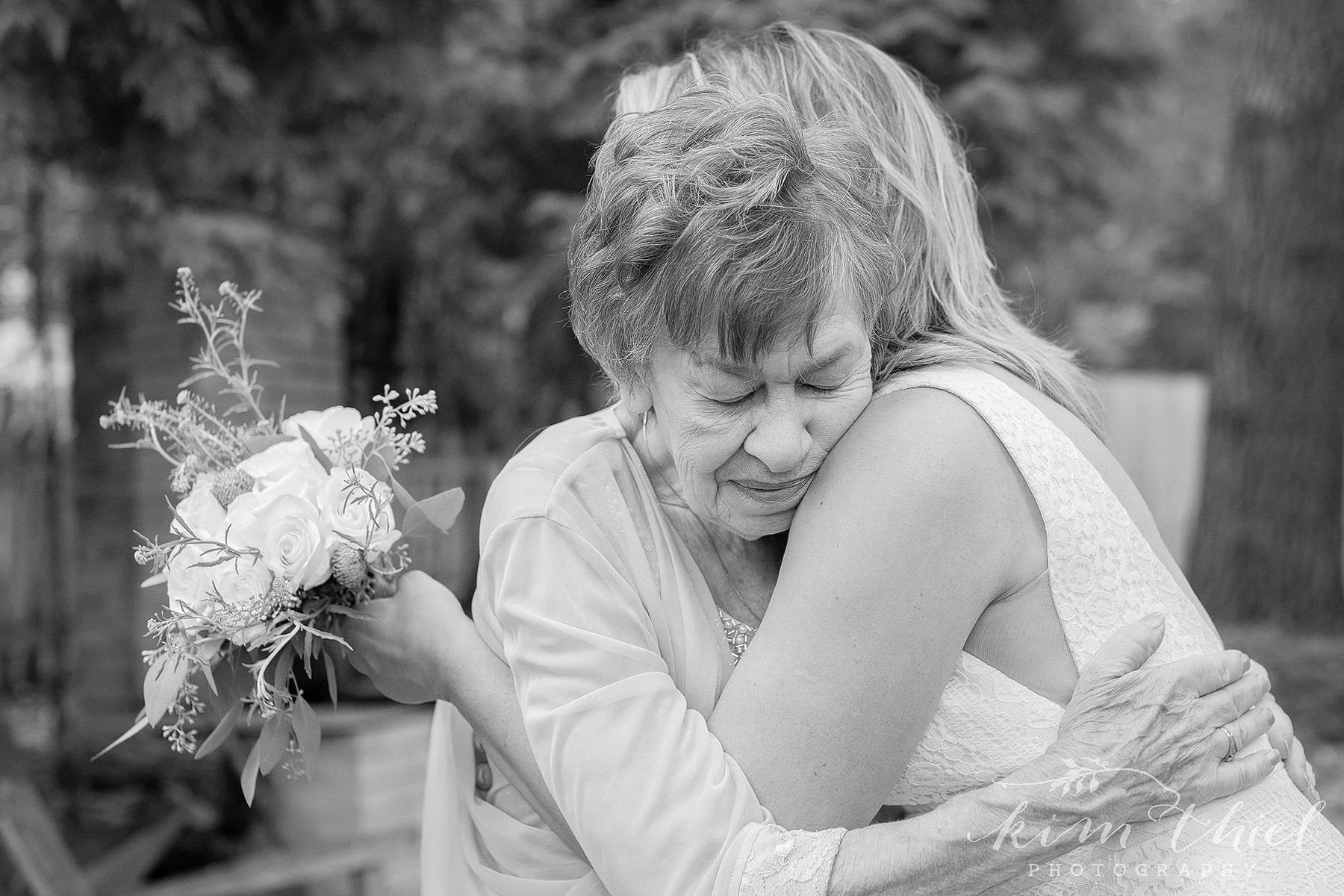
For years, my wife had a strained relationship with her mother.
Nothing dramatic on the surface — but every visit ended the same way.
She’d come home tense.
Irritable.
Complaining about everything that happened.
It was predictable enough that I could tell she’d been there just by her mood.
We didn’t work on forgiveness.
We didn’t work on patience.
We didn’t work on “responding differently.”
We worked on the emotional conflict her nervous system learned early — and kept replaying automatically.
The next time she visited her mother, she came home laughing.
Relaxed.
Happy.
Light.
I noticed immediately and said something.
She was genuinely surprised.
She hadn’t tried to feel different.
She hadn’t talked herself through anything.
She hadn’t managed a response.
The reaction simply wasn’t there anymore.
After that, something deeper shifted.
She became more loving with her mother.
More understanding.
She actually enjoyed their time together — and looked forward to visits.
Not because she decided to.
Because the old program stopped running.
This is what actually changes when the pattern is gone
When real healing happens, people don’t become “better versions” of themselves.
They stop becoming the version of themselves that’s been quietly paying the price.
Here’s what I see again and again when the underlying pattern is removed:
Chronic tension begins to release — back pain, neck pain, jaw clenching, gut issues that never had a clear cause
The body exits a stress response it was never meant to maintain
People stop carrying emotional weight home from work every day
They stop having the same arguments — or the same emotional shutdown — in their relationships
They stop reacting in ways that damage connection, credibility, or self-respect
They stop feeling drained by situations they “should be able to handle”
Not because they learned how to manage stress.
Because the body no longer needs to stay on guard.
When the emotional pattern that trained the nervous system is gone, the system doesn’t have to compensate anymore — physically or emotionally.
That’s why people often notice:
fewer flare-ups
less inflammation and muscle tension
chronic pain they’ve had for years goes away
things in your life finally falling in place
And why others will say things like:
“Something about you is different.”
“You seem lighter.”
“You don’t react the way you used to.”
The person experiencing the change usually doesn’t notice it at first.
Because the effort disappeared with the pattern.
Why effort-based change eventually fails
Most people spend years trying to change the surface of their life:
New habits.
New routines.
New jobs.
New relationships.
New intentions.
But the nervous system doesn’t run on intentions.
It runs on learned safety.
If a pattern once helped you survive emotionally, your system will keep replaying it — even when it no longer makes sense.
That’s why:
insight alone doesn’t stick
motivation fades
willpower burns out
people end up back in the same loops
The problem isn’t that you aren’t trying hard enough.
It’s that you’re trying to manage something that was never meant to be managed.
Real healing is subtractive, not additive
This is the part most people don’t expect.
Healing doesn’t give you a new personality.
It removes the old one.
The one built around bracing.
Protecting.
People-pleasing.
Overreacting.
Shutting down.
Quitting when things get uncomfortable.
Self-Sabotaging
When that structure dissolves, what’s left feels… normal.
Not euphoric.
Not dramatic.
Just you, without the interference.
That’s why people often say:
“I don’t even know when it changed — it just doesn’t happen anymore.”
That’s how you know the work reached the root.
Where this work begins
If you’re still managing reactions you never consciously chose, the first step isn’t trying to change them.
It’s identifying what taught them to exist in the first place.
That’s the purpose of the Discovery Session.
Nothing is fixed in that session.
No commitment is required.
We simply identify:
the emotional pattern your system learned early
when it started
and how it’s still influencing your body, behavior, and decisions now
From there, real change becomes possible — not through effort, but through removal.
If this perspective resonates, you’ll understand the work.
And if it doesn’t, that’s okay too.
This isn’t about coping better.
It’s about no longer needing to cope at all.
